
Heat — the gas side
The bit you never see
A heating system is judged on one radiator in one room being cold, and almost always the reason is somewhere else entirely — in the pipework, in the balance, or in what is sitting at the bottom of the system.
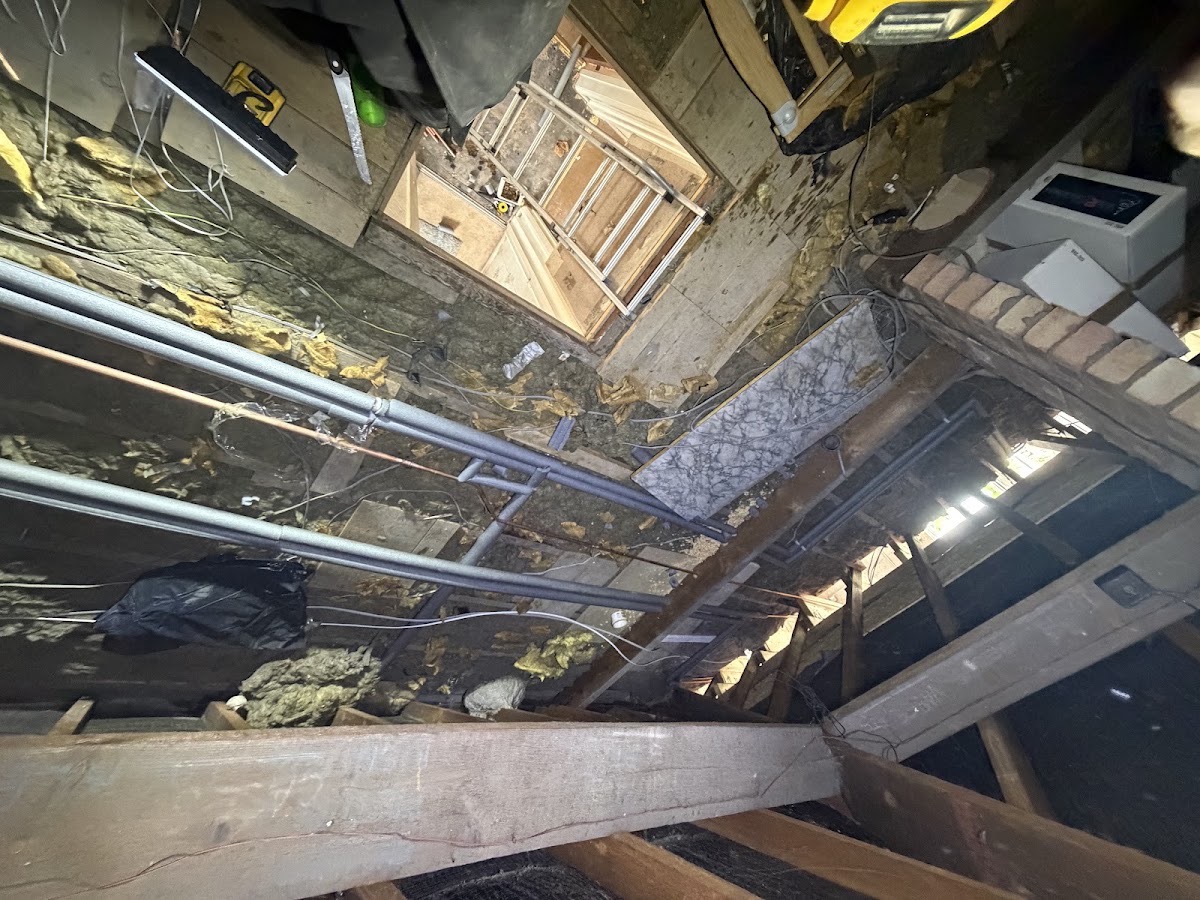
What the job involves
At one end, a single radiator swapped because you have decorated and the old one no longer suits the room. At the other, a whole system: new pipework run through floors and lofts, radiators sized properly for each room, thermostatic valves on everything but the room with the stat in it, and the lot balanced at the end so the far end of the house heats at the same rate as the near end.
In between are the jobs that come up most. Moving a radiator for a new kitchen. Taking one off and capping it for a plasterer. Swapping tired valves for TRVs. Adding a towel rail to a bathroom. Fitting a room thermostat or moving one that has spent twenty years directly above a radiator, reading its own heat and switching the boiler off.
Why it matters
Cold at the top and warm at the bottom is air, and it wants bleeding. Cold at the bottom and warm at the top is sludge, and bleeding it will do nothing at all — that needs the system cleaning out. Two identical symptoms from the homeowner's side of the room, two completely different jobs, and getting that wrong is how people end up buying radiators they did not need.
Balancing is the part that gets skipped. A system that has never been balanced sends most of its flow round the shortest circuit, so the rooms nearest the boiler roast and the far bedroom never gets going. It costs nothing but time and it is the difference between a system that works and one you fight with.
Ring it, or write it down
Say what it is doing and roughly where you are. That is usually enough to know whether it is an hour or a morning.